



Prof Thomas Babor
Professor Emeritus, Department of Public Health Sciences, University of Connecticut School of Medicine, USA.
‘When it comes to scientific research, the alcohol industry is not our friend.
I-Mark means independence from industry influence & corporate branding that is nothing more than a public relations strategy. If they were serious about supporting research, why do they oppose evidence-based policies?’

Dr Grainne Ketelaar
ATU, Ireland
‘I have adopted the i-mark because I believe corporations should stick to business
and health scientists should remain free from business influence and profit focused bias’
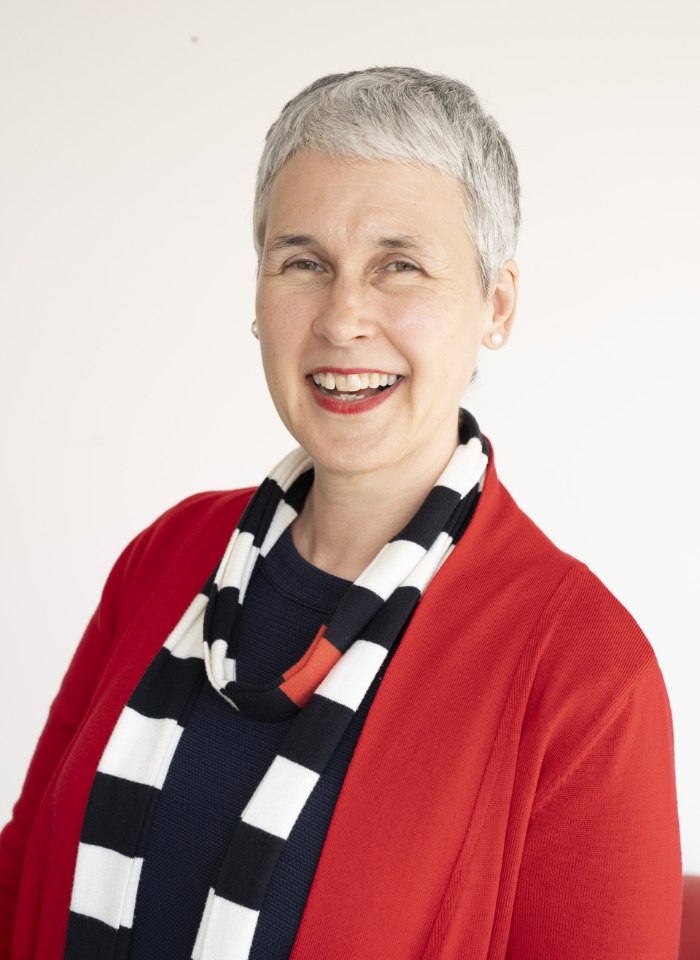
Prof Carol Emslie
Glasgow Caledonian University
‘LGBTQ+ people have higher rates of heavy drinking than their heterosexual & cisgender peers. The alcohol industry is targeting LGBTQI+ communities through rainbow products, messages of empowerment , solidarity & support for LGBTQI+ events & organizations. I support the i-Mark campaign because we need to ensure that researchers & our third sector partners are free from alcohol industry influence’.

Dr Alex Barker
University of Derby
'The alcohol industry has a history of influencing policy, research and public opinion. As an academic, I strongly believe in protecting research and policy from industry influence and educating the next generation of researchers the critical evaluation skills to identify industry interference.'
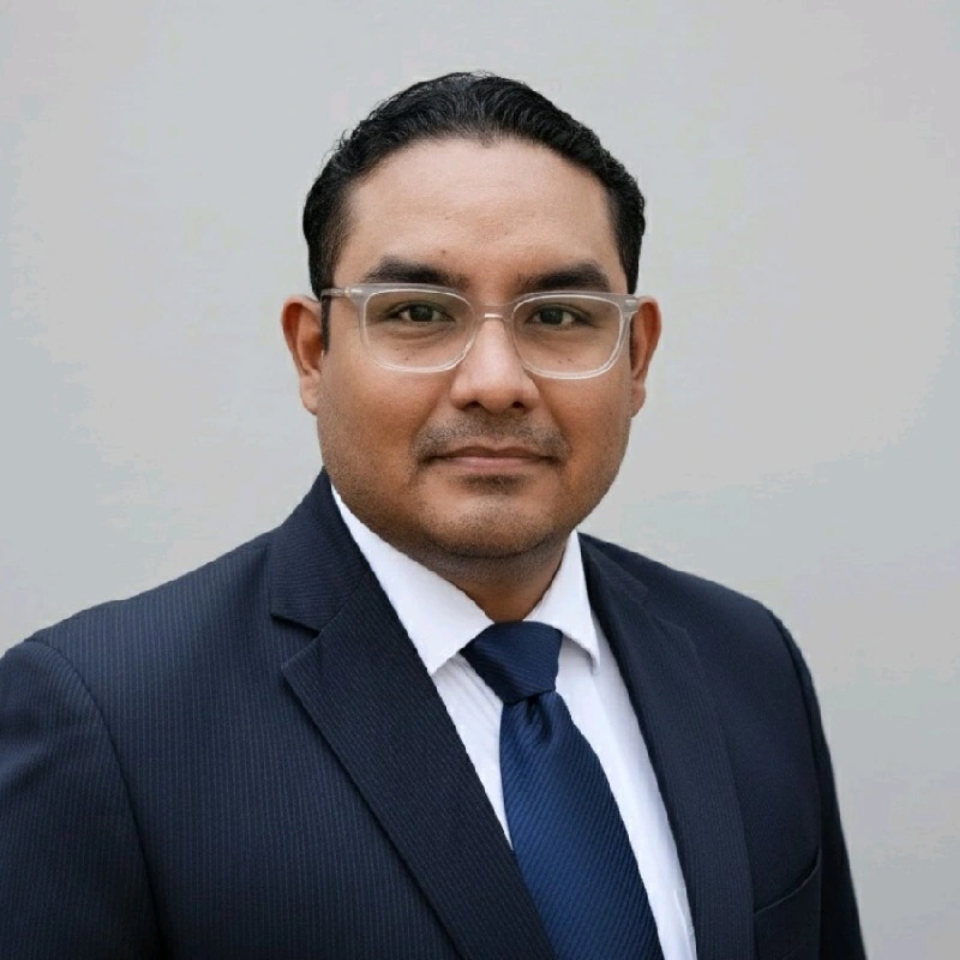
Norberto F. Hernández Llanes
In Mexico, the alcohol industry wields significant influence over the political, economic, and social spheres. The i-Mark initiative allows us to highlight our commitment to generating scientific evidence that is free from conflicts of interest and that genuinely seeks to improve people’s health and quality of life.
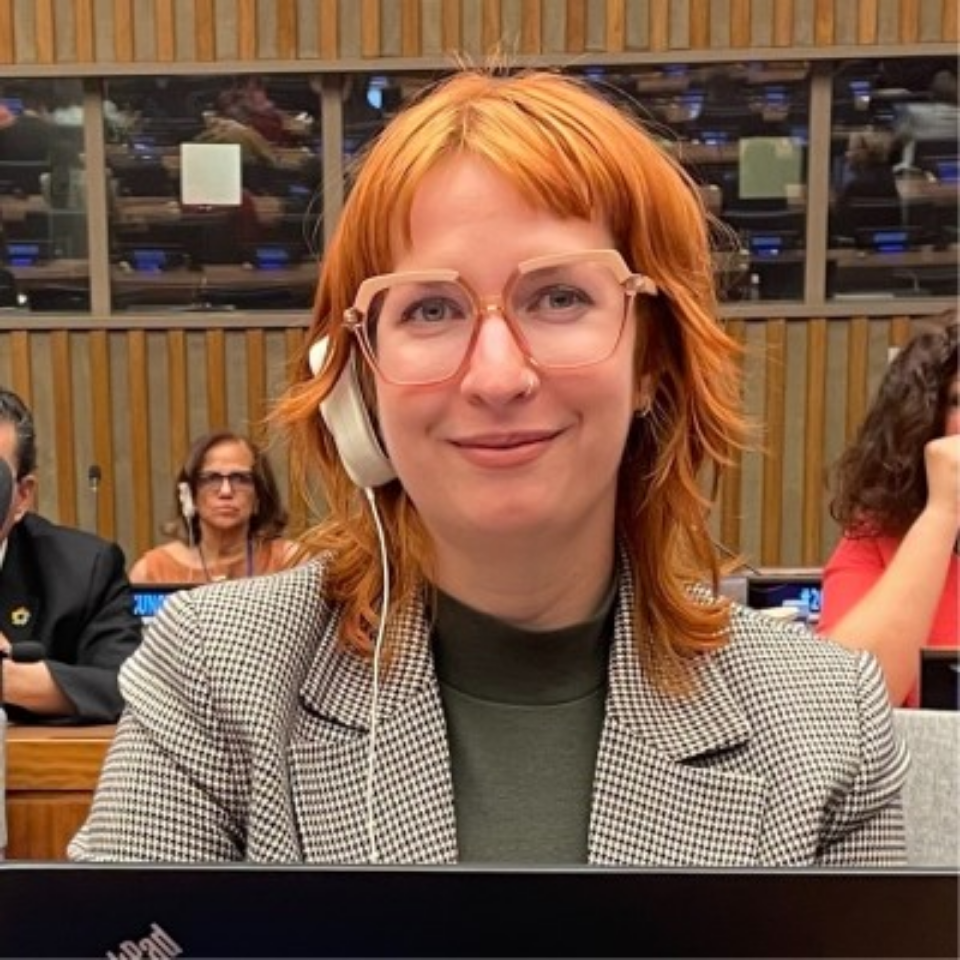
Emma Thompson
University of Edinburgh
"The evidence is clear: industry funding biases research and damages trust in its findings. This is a long-running alcohol industry tactic to pollute the evidence base. Signing up to to i-mark as a doctoral student is my commitment to keeping my research
independent."

Dr Frank Houghton
TUS, Ireland
‘Alcohol is a deadly commercial determinant of health, made all the more dangerous by its general acceptance. Big Alcohol uses a well-funded PR machine that routinely manipulates research in policy and public arenas. The i-mark represents an important public statement and marker of resistance’.

Dr David Jernigan
SPH Boston University, USA
“A key government funder promised the industry he would never again fund the kind of research I have done (into alcohol marketing & youth), & the industry has attacked me & my work in the media numerous times. We need i-Mark to set a standard for independence & to keep us honest in the face of enormous industry pressure.”

Dr Ollie Bartlett
Assistant Professor of Law, Maynooth University
I adopted the i-Mark because alcohol policy should be driven by objective public health research; not the industry's desire for economic growth. Our children and every future generation deserve evidence-based protection from alcohol-related harm; not deference to profit.

Dr Emeka Dumbili
Lecturer/Assistant Professor (Ad Astra Fellow) School of Sociology, University College Dublin
Alcohol producers aggressively fight strict regulations, undermine scientific research, and actively seek to silence alcohol charities and advocates.
Now is the crucial moment to challenge their self-serving, profit-driven narratives with compelling scientific evidence and unyielding advocacy for the community's wellbeing. This is the core of i-Mark, and the driving force behind my commitment to it.
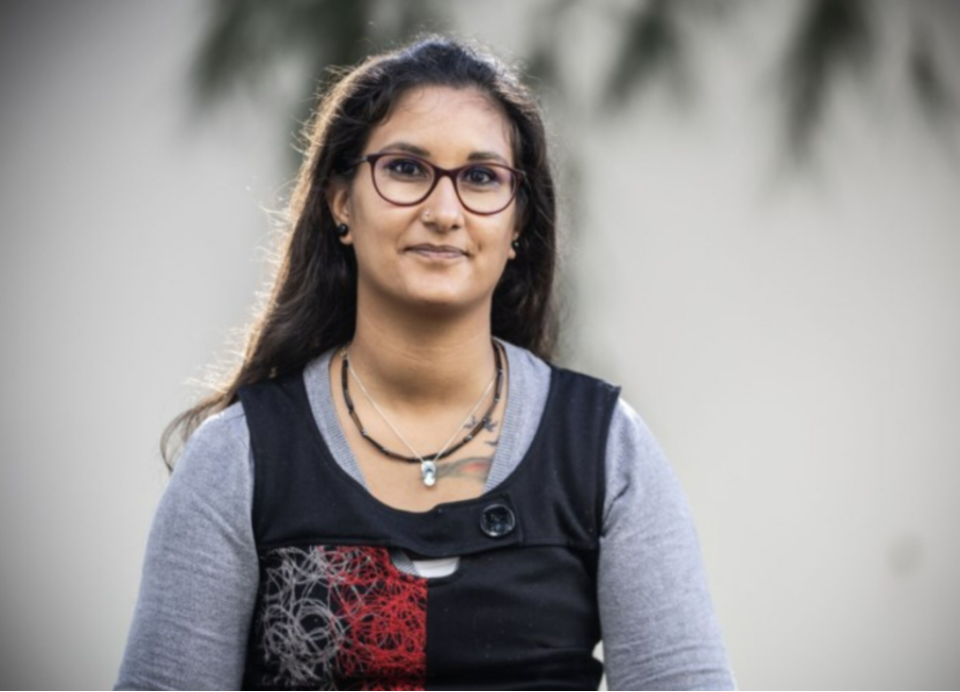
Mélissa Mialon
Inserm/Université Paris Cité
As an international researcher who has dedicated my career to the commercial determinants of health, I endorse the i-Mark because it promotes a collective vision where science & public policy are protected from alcohol industry interference. This is essential for public health, but also for democracy itself: democratic societies depend on transparent, accountable decision-making grounded in evidence & oriented toward the common good.
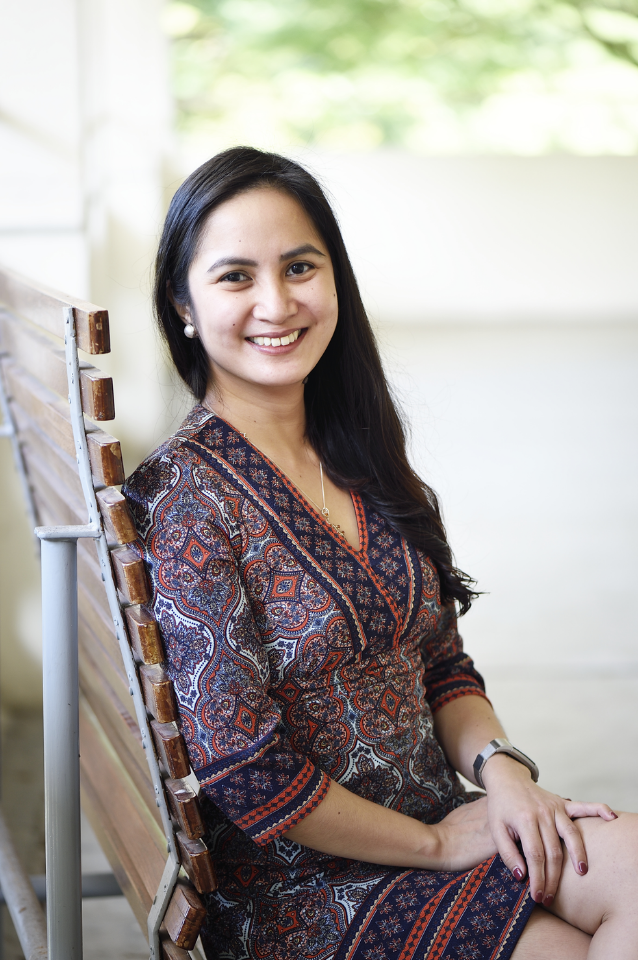
Dr Gayle Amul
PhD Norway & Philippines FORUT (Norway), School of Government, Ateneo de Manila University (Philippines) & Asia Pacific Alcohol Policy Alliance
"As a researcher-advocate, I adopted the i-Mark to continue to ensure that my research is free from alcohol industry influence. Researchers need to stand together in the face of alcohol industry interference and keep alcohol policy research safe and free from commercial interests."
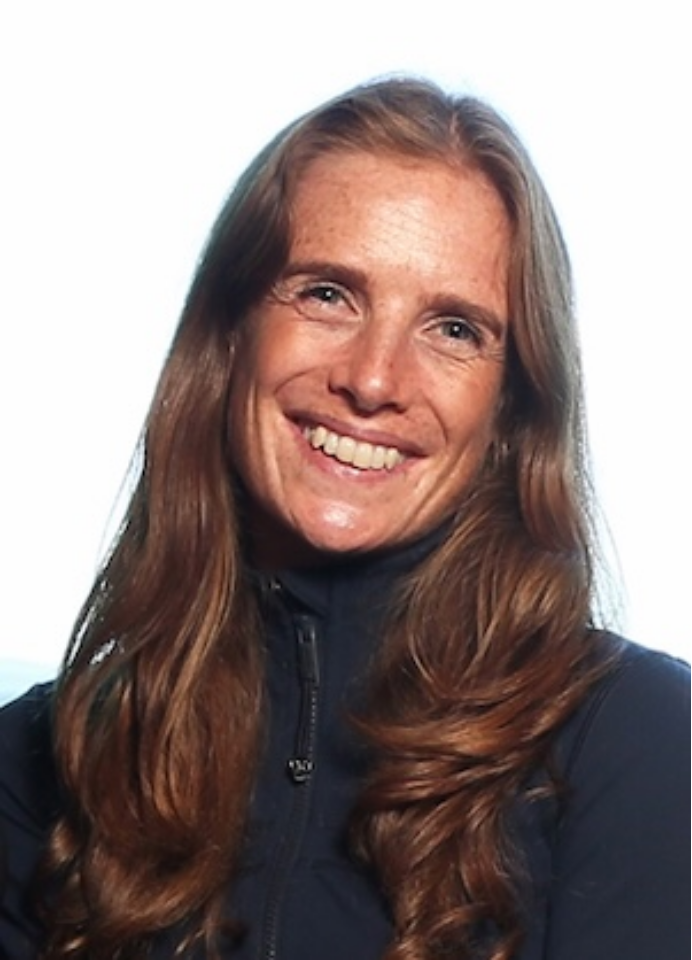
Dr May van Schalkwyk
Senior Clinical Research Fellow, School of Population Health Sciences, University of Edinburgh
"Working clinically as a medical doctor, I saw first hand the harms caused by alcohol ; from acute injuries to cancers . Now, as a public health doctor dedicated to promoting health and equity, it is both my role & my duty to prevent those harms. A core part of that is protecting research from undue industry influence. That is why I am a signatory of iMark."

Dr Gillian Shorter
Reader in Clinical Psychology, Queen’s Uni Belfast; President, Kettil Bruun Society for Social & Epidemiological Research on Alcohol.
‘I've adopted the i-Mark because alcohol research and policy must be built on independent evidence, not industry funding. People deserve high quality research they can trust.’
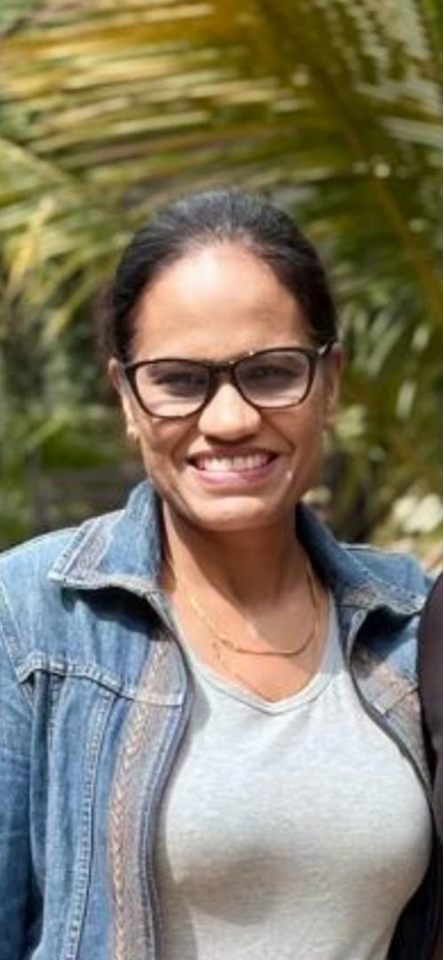
Arti Singh
Associate Professor & Public Health Physician at Kwame Nkrumah University Ghana
‘Here in Ghana, we've seen the alcohol industry fund school 'education' programmes that VAST-Ghana exposed as greenwashing — brand promotion disguised as CSR, pushing 'responsible drinking' over real harm reduction. It's the same playbook used globally to shape research and policy in the industry's favor. Protecting academic independence matters.’
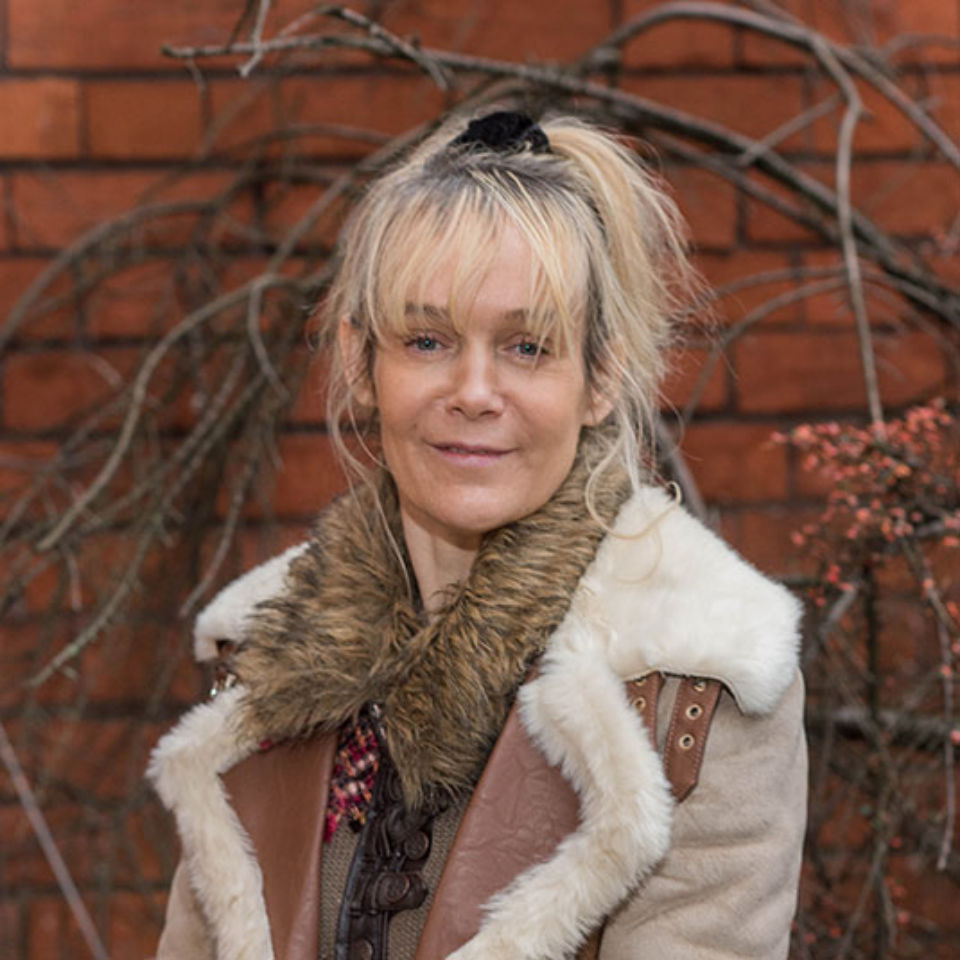
Prof Anne Campbell, MBE
Professor, Queens University Belfast
‘By joining the I-Mark movement, I can help raise awareness of alcohol-related harms, support ethical & transparent practices, & help create healthier environments for individuals, families & young people. Joining the campaign reflects my personal values of integrity, responsibility, and community wellbeing’

Dr Kathleen Harkin
Medical doctor and researcher, Ireland
‘i-Mark: because I care, because I want my research to be fair, free from influence by the alcohol industry and other health-harming product industries’.

Veronica Lozano-Morales
I wish to join I-Mark because its commitment to research free from alcohol industry influence aligns with my work in public health, mental health & addiction prevention. By supporting this initiative, I aim to promote ethical research, strengthen evidence-based public policy, and contribute to the education of future health professionals.
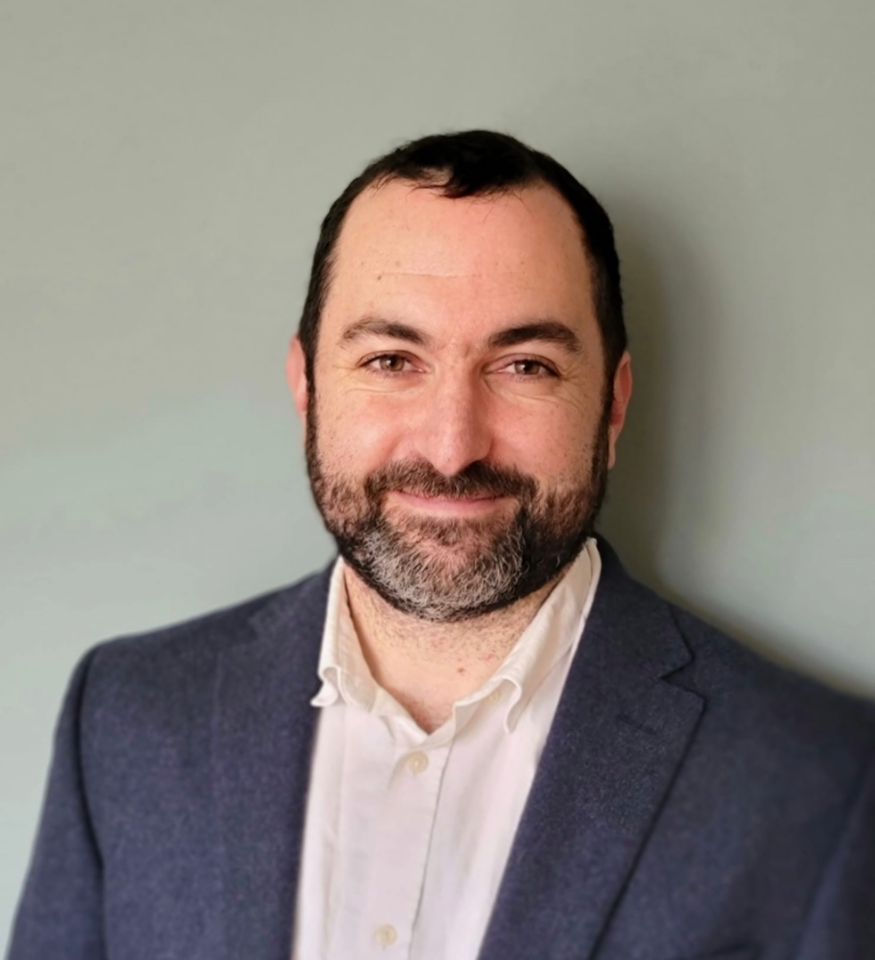
Nason Maani
Senior Lecturer in Inequalities & Global Health Policy University of Edinburgh’s Global Health Policy Unit
The evidence is clear over many decades; alcohol producers have sought to prevent any health policies that would impact their bottom line. Part of this strategy involves funding research, alcohol charities & other organisations to focus attention away from effective action & give themselves a “health halo”
I-Mark is an important step in preventing this type of influence & increasing awareness among the wider scientific community.
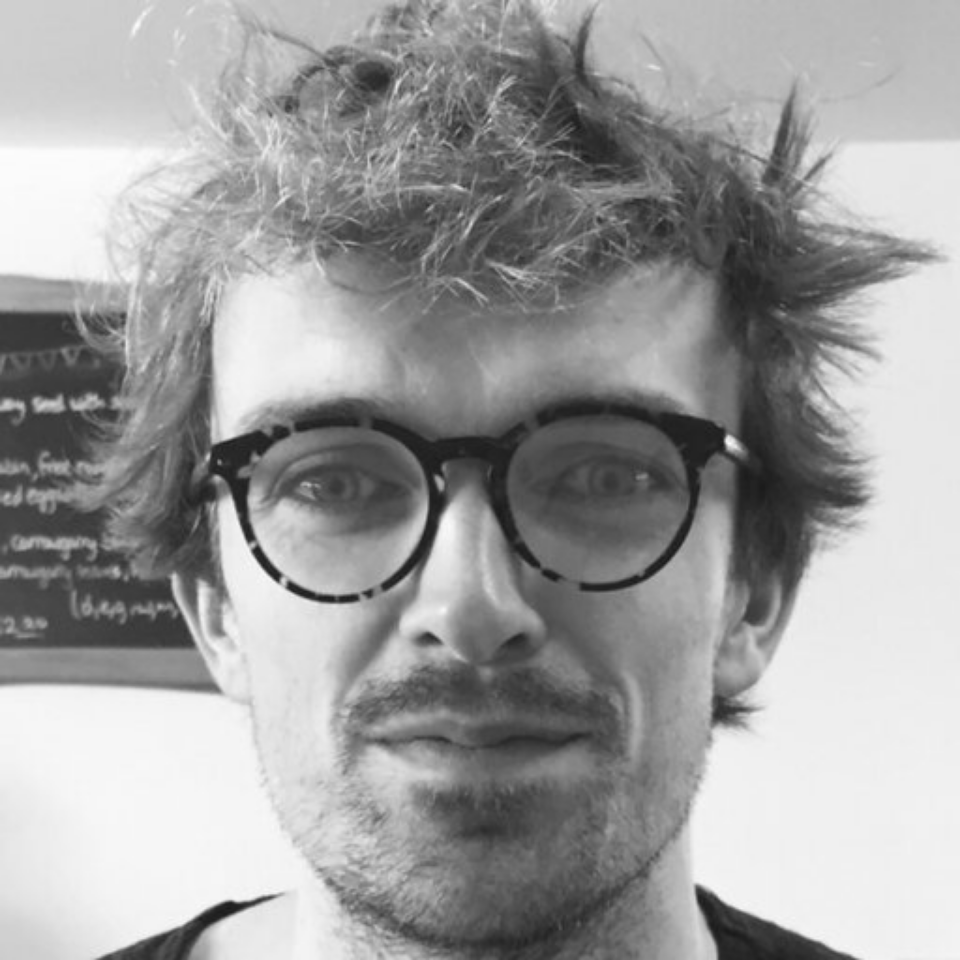
Dr James Larkin
Senior Postdoctoral Researcher, Royal College of Surgeons Ireland
"I take pride in the fact that my work is free of alcohol industry influence. It gives me confidence that the public and other researchers will trust my research. With the i-Mark initiative we can help ensure a trustworthy research infrastructure that can ultimately act in the best interests of the public."

Pr. Karine Gallopel-Morvan
Professor, France
"En tant que chercheure en France, je rencontre régulièrement des chercheurs dans mon pays qui sont financés par l'industrie de l'alcool, en particulier l'industrie viticole, et qui considèrent cela comme « normal ». C'est pourquoi j'ai décidé de m'engager auprès d'i-mark afin de m'attaquer à cette question des conflits d'intérêts. La littérature montre que le financement des académiques par les industriels de l'alcool est une stratégie de lobbying dont le but est de bloquer les politiques publiques."